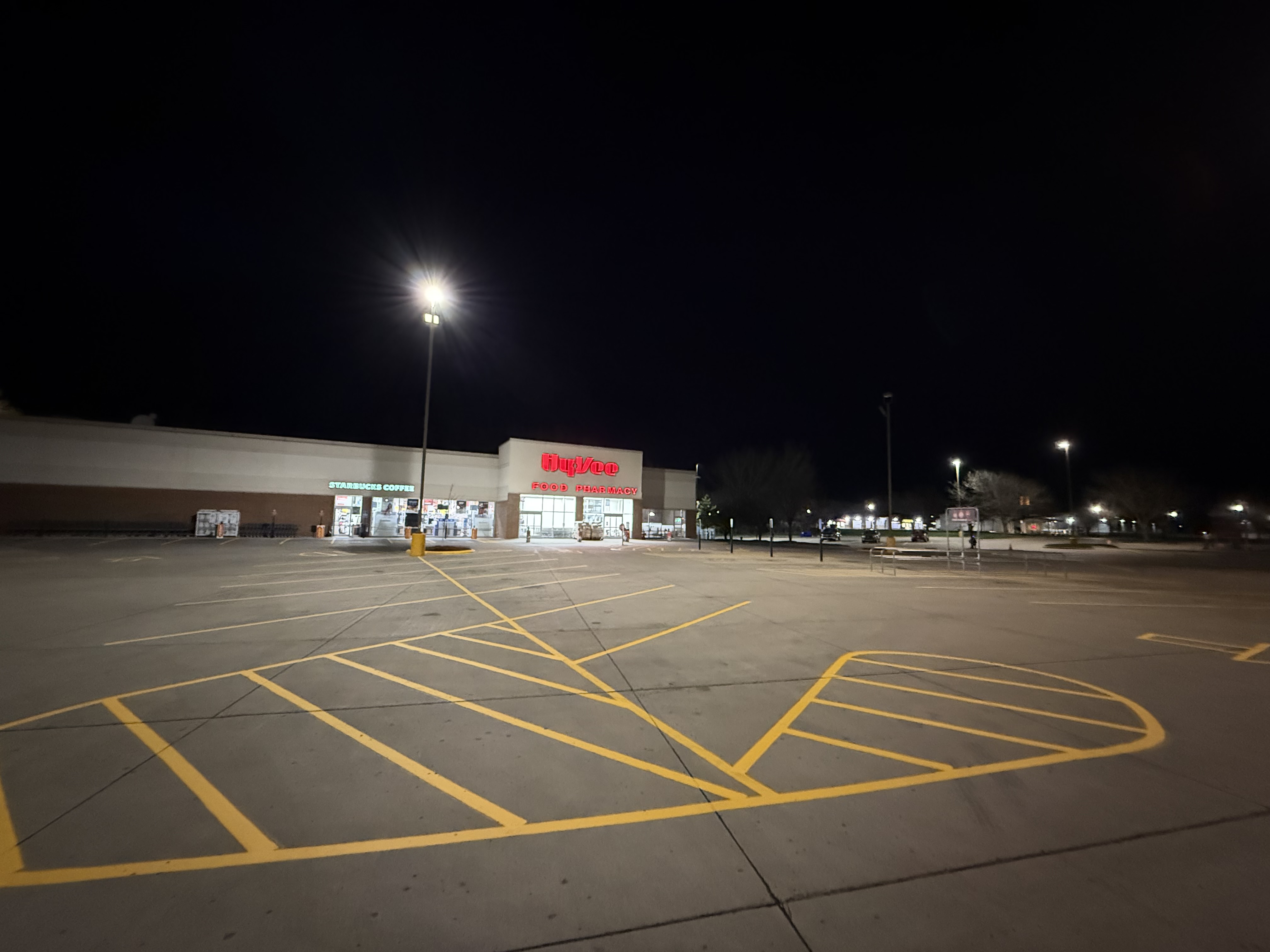
Line Striping Challenges in the Midwest: How to Overcome Common Obstacles Nov 28, 2025
One of the most significant challenges in the Midwest is dealing with extreme weather changes. The region experiences snowy winters, rainy springs, and hot summers, all of which can affect the quality of line striping. Freezing temperatures can cause paint to become brittle, leading to chipping and fading. Conversely, the summer heat can make the paint dry too quickly, resulting in poor adhesion to the pavement. To combat these issues, Midwest Line Striping LLC recommends using high-quality, weather-resistant paints and timing projects to avoid extreme temperatures whenever possible.
Subsurface conditions also pose a challenge. The Midwest is known for its diverse soil compositions and varying moisture levels, which can influence the paving and striping process. Before line striping begins, it's crucial to ensure that the pavement is in optimal condition. Cracks and potholes must be repaired, and surfaces should be clean and dry to promote paint adhesion. Midwest Line Striping LLC emphasizes the importance of thorough surface preparation as a foundational step to achieving lasting results.
Traffic patterns and parking layout complexity can further complicate line striping projects. In busy commercial areas, scheduling striping work without disrupting traffic flow or customer access requires careful planning. Early communication with businesses and property owners about project timing and expected disruptions can help minimize inconvenience. Midwest Line Striping LLC utilizes off-peak hours and swift application techniques to reduce downtime and maintain accessibility.
The choice of striping material is another important consideration. Traditional paint is commonly used, but in certain situations, thermoplastic striping might be advantageous due to its durability and reflectivity. This can be especially beneficial in areas with high traffic volume or during seasons with limited daylight. By evaluating the specific needs of each project, whether it involves parking lots, roads, or specialized markings, Midwest Line Striping LLC ensures the appropriate materials are selected for the highest quality outcome.
Additionally, environmental regulations and safety standards must be adhered to during line striping projects. Certain paints can emit volatile organic compounds (VOCs), impacting air quality. Therefore, choosing low-VOC or water-based paints can be an effective solution to reduce environmental impact while ensuring compliance with local regulations. Midwest Line Striping LLC stays updated on the latest industry standards and provides eco-friendly options to meet sustainability goals.
In conclusion, the challenges of line striping in the Midwest, from weather conditions and subsurface issues to traffic and environmental regulations, require expert management and strategic solutions. By understanding these challenges and working with experienced professionals like Midwest Line Striping LLC, businesses and property owners can ensure their paving projects meet the highest standards of quality and safety. Whether it's adapting to seasonal weather patterns or selecting the right materials, tackling these hurdles head-on leads to better, longer-lasting results, enhancing the functionality and appearance of any paved area.
/filters:no_upscale()/filters:format(webp)/media/b8a7f541-79c1-4dce-8209-9f4ffc8cf03f.jpeg)